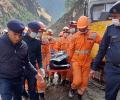
'Events like the one we saw on Sunday are complex geological processes which can be impacted by weather and climatic conditions.' 'It is difficult to attribute something like this to just one factor or to a particular time period, especially when we have still not understood the exact cause.'
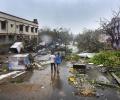
The displacements were a result of a combination of increasing hazard intensity, high population exposure and high levels of social and economic vulnerability, a report says.

The national calamity response force, NDRF feels it is time that citizens are "trained" in combating both man-made and natural catastrophes.

Battling choppy weather, power crisis, inundated streets and the odds, the students, with a few girls among them, survived through the tough times, keeping each other strong.

'We need an early warning system in India.'

Flash floods and landslips triggered by the monsoon fury left eight more persons dead, taking the number of people killed in calamity-hit Uttarakhand and Himachal Pradesh to 138 even as 2700 pilgrims and locals were rescued from Rudraprayag and Chamoli districts.

A global failure to respond to climate changes could result in about 8.7 per cent economic loss in India's Gross Domestic Product (GDP) by 2100, Asian Development Bank said.

Extensive anthropogenic interference, as part of developmental activities, is a significant factor that increases this hazard manifold. As a result, the landscape in the Himalayan, north-eastern regions and many other regions of India are highly susceptible to reoccurrence of landslides, says Dr Nitish Priyadarshi.

China on Monday opened the second land crossing in Tibet via Nathu La to allow the first batch of Indian pilgrims undertaking the arduous Kailash-Manasarovar Yatra, in the latest confidence-building measure between the two neighbours.
